
Three Things I’ve Learned Working in a Wine Shop
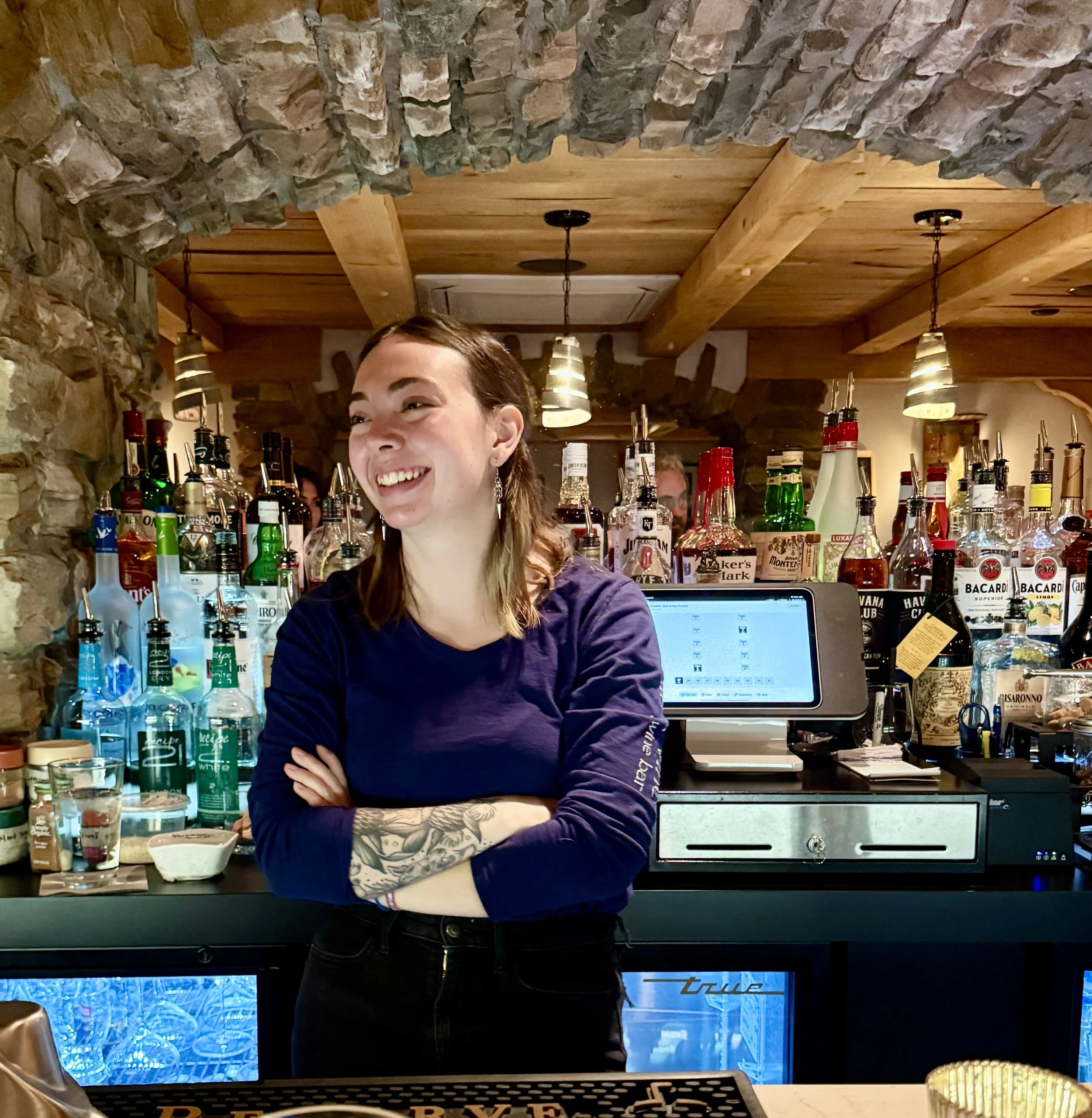
Sophia behind the bar at Main and Vine in December 2025
It’s Sophia again—Niki and Scott’s oldest daughter. A few months ago, I shared some of the things I’d learned working in a Finger Lakes tasting room at Boundary Breaks Vineyard. That experience taught me how wineries present themselves when people have already chosen to visit.
More recently, I’ve been working two different part-time jobs while I take classes for my Masters in Information and Library Sciences. Given what you know about me and my family, I bet you’re not surprised that both of those jobs involve wine: working at Century Liquor & Wines in Rochester and the Main and Vine Wine Bar in Fairport. Both have taught me even more about working in the wine business.
Today, I wanted to share a few surprising lessons I’ve learned about the wine business while working at Century.
1. Serious wine knowledge often lives in places people overlook
Before this job, I didn’t expect to be working alongside sommeliers or people with advanced wine certifications. But at an established local shop, that kind of expertise is often right there on the floor. Conversations about regions, producers, and styles happen constantly, sometimes while helping customers or stocking shelves. It’s informal, collaborative, and deeply practical. Working here has made me rethink where wine knowledge actually lives, and how accessible it can be when you’re willing to ask.
2. Good recommendations are about listening, not lecturing
Most customers don’t come in looking for a lesson. They’re trying to solve a problem: a bottle for dinner, a gift, or something they enjoyed once and want to find again. Helping them starts with listening and figuring out what matters to them, what doesn’t, and where their comfort zone is. Sometimes that leads to recommending a wine I know well. Other times, it means narrowing things down by region and price and using tools like Vivino to fine-tune the choice. When someone leaves feeling confident instead of overwhelmed, I consider that a success.
3. Retail teaches you how wine really moves through the world
Working in a wine shop gives you a front-row seat to what happens between the winery and the table. You start to notice how shelves are organized, which producers consistently show up, and how buyers affect selection.
One of the best parts of retail is that people come back. They tell you what worked, what didn’t, and what they want to try next. A few customers have become regulars who specifically ask for my opinion and then report back. That kind of feedback loop is incredibly educational and very grounding.
Real-world experience like this is hard to come by, and it’s changed how I think about wine beyond tasting notes or exams. A good local store isn’t just a place to buy wine: it’s one of the most practical places to learn about the wine business and what customers really want.
If you liked this post, you might also enjoy learning more about why Sophia decided to study wine.
Thanks for joining us on this journey! Before you leave, don’t forget to subscribe to our blog and also check out our Facebook group, Finger Lakes Food and Wine Adventures.
Cheers from the lake!
—Niki and Scott
