
Scott Uncorked: Thinking Through Rosé
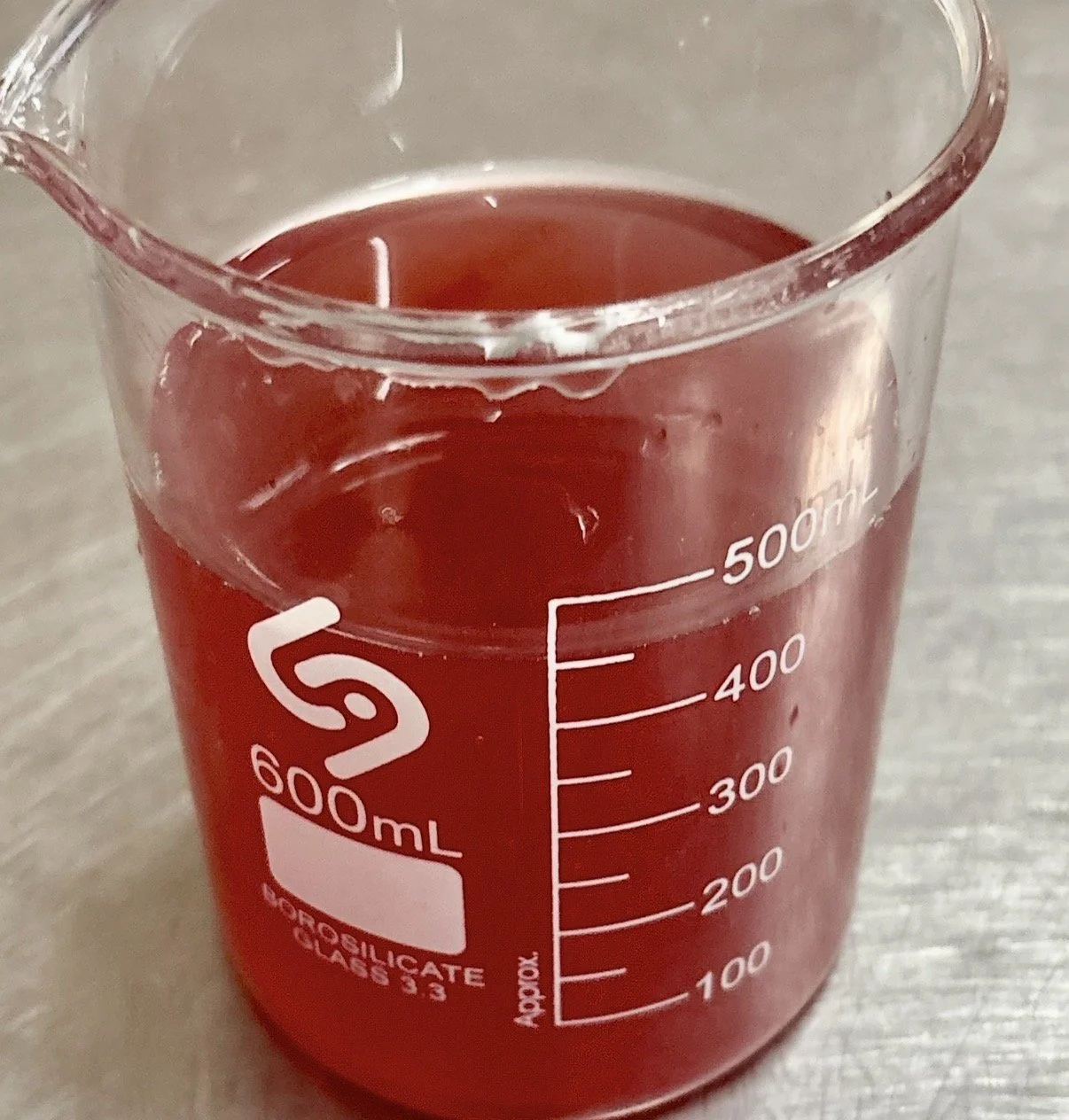
Our 2025 Cabernet Franc Rosé
This is early on in the process. The color will lighten considerably before bottling
First, a note from Niki: I owe you all an apology for the quiet stretch on the blog. The last few weeks have brought a heavy travel season for my day job. On top of that, I've been deep in the compliance work of getting our winery properly launched. The legal side of starting a wine business is, unsurprisingly, not light reading. But my busy travel season has wound down, and we're back at it.
Now, on to Scott!
++++++++
Rosé sounds simple. It isn't.
People assume it's just a lighter version of red wine, or that it's made by mixing red and white together. Neither is quite right. At least not for the kind of rosé worth making.
Before getting into how we're approaching our own, it helps to understand what rosé actually is and how it’s made.
What rosé is—and isn't
There are three basic ways to make a pink wine. The first is saignée, or runoff: juice that bleeds off from red grapes early in the process, before full color extraction. The second, and most common for serious rosé, is a short cold soak before pressing: the juice stays in contact with the skins for a few hours, picking up color and some structure before it's pressed off and fermented like a white wine. The third is blending: mixing finished red and white wine. This is how pink Champagne is typically made, but it's not the approach most still rosé producers take.
The difference between rosé and blush comes down to intention and process. Blush wines like White Zinfandel are the classic example. They’re typically sweeter and made with minimal skin contact. Rosé is made with purpose. You’ve got a specific color target, a specific structural goal, and a specific balance in mind.
How I'm approaching ours
For our 2025 Cabernet Franc rosé, I used a short cold soak of two hours. It was long enough to pull color and some of those red structural elements that come from skin contact, but not so long that it started to behave like a red wine. Two hours was a deliberate choice, not a shortcut.
Once the wine is in the barrel, the work shifts to preservation. Color in rosé is fragile. It wants to fade. Minimizing oxidation after fermentation and managing sulfites thoughtfully are both essential to keeping the wine looking and tasting the way it should.
My preference is for a softer style of rosé. Going forward, I'd like to explore malolactic fermentation and potentially fermenting or aging in neutral oak barrels, not to add oak flavor, but to build texture and bring a structural delicacy to the wine that stainless steel alone doesn't always do.
The goal is a rosé that's serious without being heavy, and earns its place at the table. And maybe, just maybe, it changes a few minds about how delicious a pink wine can actually be.
If you like this post, you might enjoy reading about what Riesling has taught me here.
If you're following along, thanks for sticking with us through the quiet stretch. There are more stories and wines to come. If you want to stay updated on the latest posts, make sure to subscribe to our blog. And don’t forget to check out our Facebook group, Finger Lakes Food and Wine Adventure.
Cheers from the lake,
—Scott
